
Tunisian Crochet History
Tunisian Crochet History - And, like knitting, it involves working with multiple stitches at a time. This is because it uses a crochet hook, but requires you to hold all of your stitches (or loops) on the hook in the same way you do as you knit. The term “afghan stitch” is just one of the many stitches in a family of stitches called tunisian crochet. Tunisian crochet holds multiple loops on the hook in a style similar to knitting, but uses crochet hooks rather than knitting needles. Web here are some links and timestamps for your convenience. Web tunisian crochet appeared in the first issue of iduna and its readers were clearly expected to be familiar with “the ordinary tunisian crochet.” Web the history of the craft. Web learn about tunisian crochet, from its history and ideal hooks to the stitches and more! Web a brief history of tunisian crochet. In the united states, the afghan stitch was widely used to make graph afghans. Tunisian crochet holds multiple loops on the hook in a style similar to knitting, but uses crochet hooks rather than knitting needles. Web a brief history of tunisian crochet. What are those long crochet hooks used for? The term tunisian crochet is first found in english in an american publication from 1862. In spite of its current name, many people believe it did not get its start in tunisia or afghanistan, but found its origins in europe. The term “afghan stitch” is just one of the many stitches in a family of stitches called tunisian crochet. Join us on a journey through time to discover the rich heritage of tunisian crochet and its enduring appeal. The name tunisian and afghan would indicate it began in the near east or northern africa. Web learn about tunisian crochet, from its history and ideal hooks to the stitches and more! Web it certainly may have been when it was first called tunisian crochet in england over 100 years ago. It combines the techniques of both knitting and crocheting, resulting in a distinctive and dense fabric. It is named after the tunisian artisans who popularized the technique many centuries ago. In the united states, the afghan stitch was widely used to make graph afghans. Web it certainly may have been when it was first called tunisian crochet in england over. Join us on a journey through time to discover the rich heritage of tunisian crochet and its enduring appeal. Web tunisian crochet, also known as afghan crochet or tricot crochet, is a unique form of crochet that originated in tunisia, hence the name. Web in its earliest iteration, it was once referred to as the princess william frederick stitch. Learn. The term “afghan stitch” is just one of the many stitches in a family of stitches called tunisian crochet. Join us on a journey through time to discover the rich heritage of tunisian crochet and its enduring appeal. Web brief history of tunisian crochet & trouble shooting tips. This is because it uses a crochet hook, but requires you to. In spite of its current name, many people believe it did not get its start in tunisia or afghanistan, but found its origins in europe. Web tunisian crochet, also known as afghan crochet or tricot crochet, is a unique and versatile form of crochet that produces a dense and textured fabric. The term tunisian crochet is first found in english. Learn all there is about this fun style of crochet with this ultimate guide to tunisian crochet. Web brief history of tunisian crochet & trouble shooting tips. At the end there is a video of how to create the tunisian simple stitch. See how to master this unique technique. This is because it uses a crochet hook, but requires you. And, like knitting, it involves working with multiple stitches at a time. In the united states, the afghan stitch was widely used to make graph afghans. The name tunisian and afghan would indicate it began in the near east or northern africa. Also known as afghan, tricot, railway and 'crochet knit', tunisian crochet has had a long history of names.. Also known as afghan, tricot, railway and 'crochet knit', tunisian crochet has had a long history of names. Web tunisian crochet appeared in the first issue of iduna and its readers were clearly expected to be familiar with “the ordinary tunisian crochet.” While its exact origin is somewhat obscure, it is believed to have been influenced by various cultures and. While its exact origin is somewhat obscure, it is believed to have been influenced by various cultures and regions, including tunisia, the. I have found absolutely no evidence that tunisian crochet was ever done in tunisia, a country of rich textile traditions, especially weaving and embroidery. It combines the techniques of both knitting and crocheting, resulting in a distinctive and. Web the history of the craft. This is because it uses a crochet hook, but requires you to hold all of your stitches (or loops) on the hook in the same way you do as you knit. Web tunisian crochet, sometimes called afghan crochet, is a unique fiber craft that shares similarities with both knitting and crochet. Join us on. It combines the techniques of both knitting and crocheting, resulting in a distinctive and dense fabric. Web it certainly may have been when it was first called tunisian crochet in england over 100 years ago. It is named after the tunisian artisans who popularized the technique many centuries ago. Web tunisian crochet, also known as afghan crochet or tricot crochet,. Given the name, you’d suspect it. Join us on a journey through time to discover the rich heritage of tunisian crochet and its enduring appeal. The term tunisian crochet is first found in english in an american publication from 1862. Web the origin of tunisian crochet, also known as afghan crochet, hook knitting, tricot crochet, hakking, railroad knitting, and shepherd’s knitting, is obscure. For a crocheter, it’s an easy way to get that coveted knitted look without technically knitting. What are those long crochet hooks used for? Web the history of the craft. Web tunisian crochet, also known as afghan crochet or tricot crochet, is a unique form of crochet that originated in tunisia, hence the name. Learn more and get started now! Web brief history of tunisian crochet & trouble shooting tips. At the end there is a video of how to create the tunisian simple stitch. Web tunisian crochet has a rich and fascinating history that dates back several centuries. Like crochet, it uses a long crochet hook. Web tunisian crochet, also known as afghan crochet or tricot crochet, is a type of needlework that combines elements of knitting and crocheting to create a dense, textured fabric. In spite of its current name, many people believe it did not get its start in tunisia or afghanistan, but found its origins in europe. Tips and tricks to keep your work neat and your fabric wearable.
How to Tunisian Crochet Complete Beginner's Guide Sarah Maker

What Is Tunisian Crochet and Where Did It Come From? Crochet Interweave
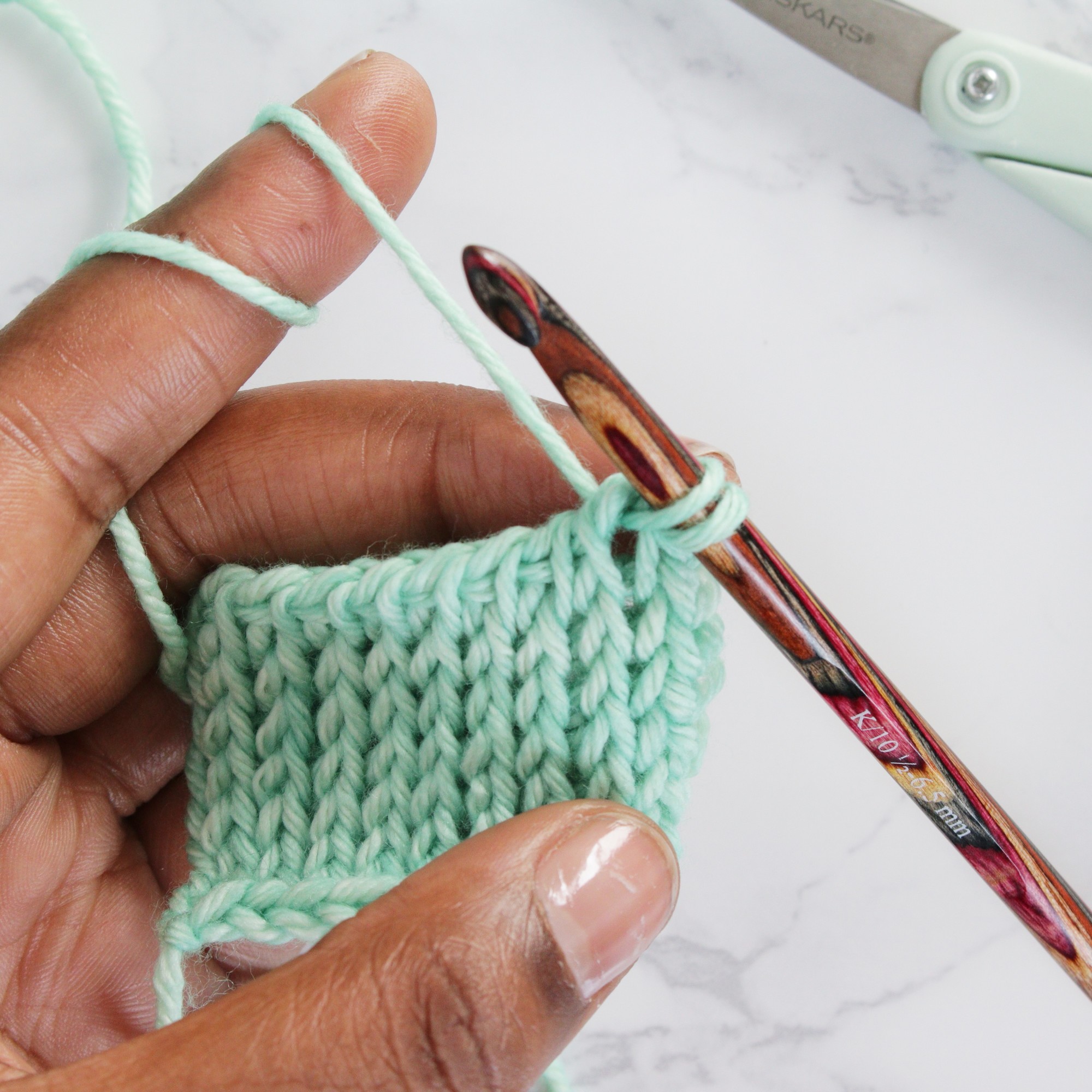
Tunisian Crochet 101 Learning the Basics Craftsy

Tunisian Crochet A Short History Tunisian crochet, History, Crochet

Pin by Julie Ditmars on Crafting Crochet, Tunisian crochet patterns
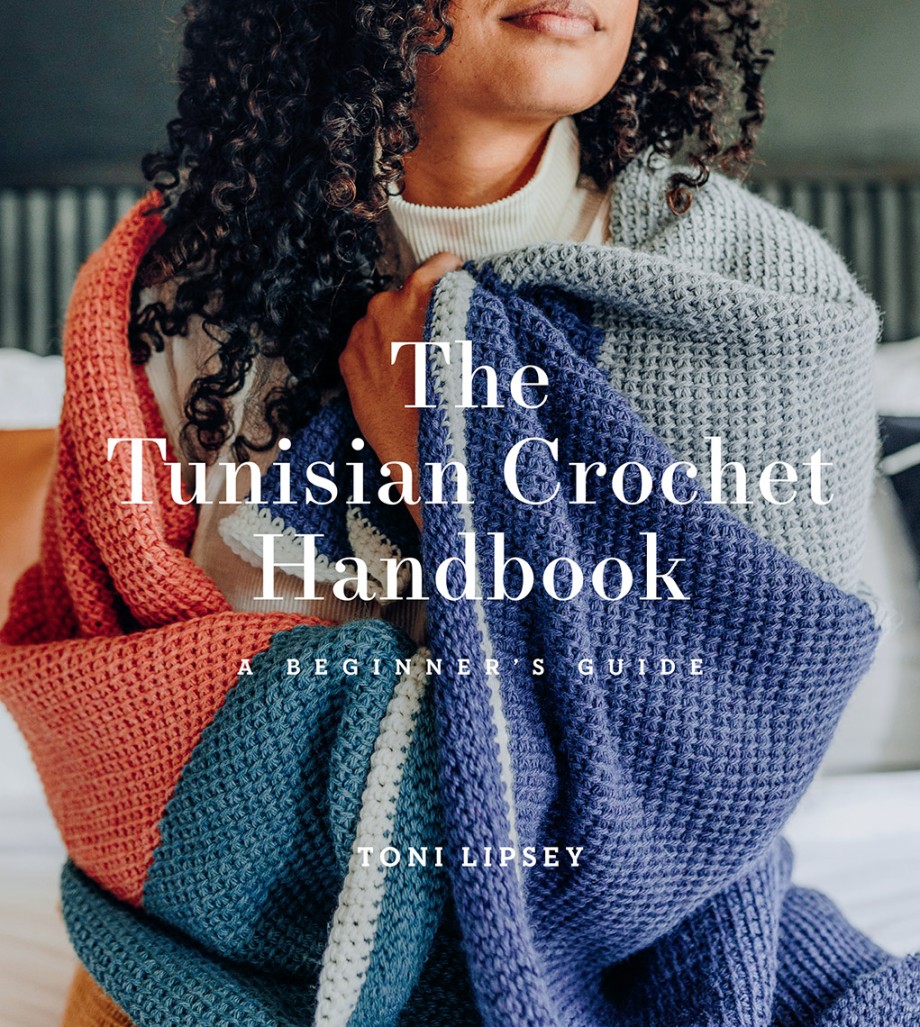
The Tunisian Crochet Handbook (Ebook) ABRAMS

What Is Tunisian Crochet and Where Did It Come From? Crochet Interweave
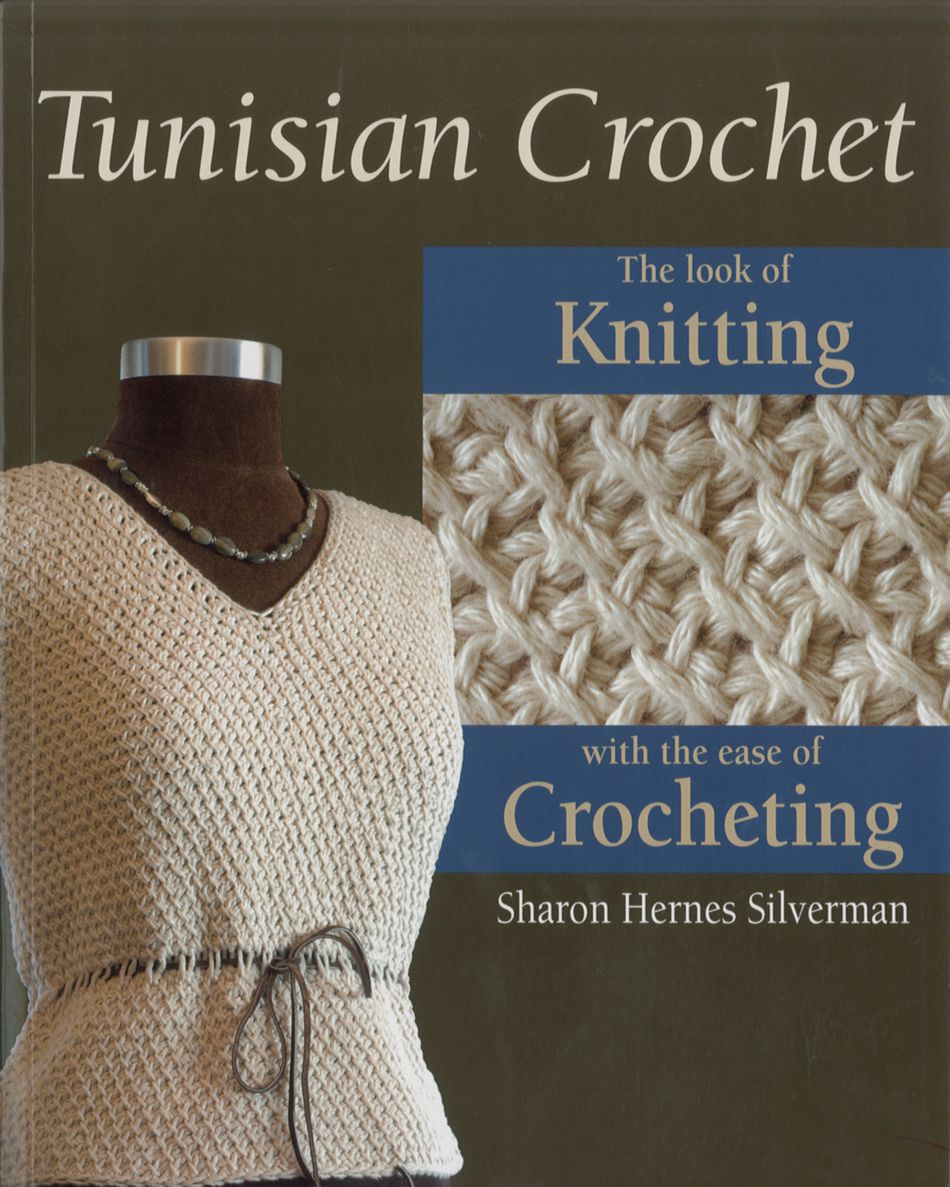
Tunisian Crochet, Crochet Book Halcyon Yarn

Absolutely Everything You Need To Know About Tunisian Crochet — Irish
Tunisian Crochet Books Marly Bird
Web In Its Earliest Iteration, It Was Once Referred To As The Princess William Frederick Stitch.
Web Tunisian Crochet, Also Known As Afghan Crochet, Is A Needlework Method That Blends Knitting And Crochet.
Web Tunisian Crochet, Sometimes Called Afghan Crochet, Is A Unique Fiber Craft That Shares Similarities With Both Knitting And Crochet.
And, Like Knitting, It Involves Working With Multiple Stitches At A Time.
Related Post: